Lemon Balm: The Calming Herb Every Home Garden Should Have
Discover why lemon balm is a wonderful herb for the home garden—from its fresh lemony fragrance and easy-growing nature to simple ways to use your harvest at home.
In This Article
There is something special about growing a plant that is not only beautiful and fragrant, but also useful in everyday life. Lemon balm (Melissa officinalis) is one of those herbs.
With its fresh lemony scent, soft green leaves, and long history as a culinary and traditional wellness herb, lemon balm is a wonderful addition to a home herb garden. You can enjoy it fresh, dry it for later, prepare it as tea, add it to food and drinks, or use it in simple DIY herbal projects.
Best of all, lemon balm is relatively easy to grow, making it a great herb for beginners.
What Is Lemon Balm?
Lemon balm is a perennial herb belonging to the mint family. When you gently rub or crush its leaves, they release a pleasant citrus-like fragrance.
The plant has been grown and used for centuries as a culinary and traditional wellness herb. Today, it remains popular among home gardeners because one healthy plant can provide plenty of leaves for many different uses.
Why Grow Lemon Balm at Home?
One of the joys of growing herbs is being able to harvest exactly what you need, when you need it.
With lemon balm growing at home, you can pick a few fresh leaves for tea or infused water, harvest larger amounts for drying, or use the leaves for your own DIY herbal projects.
- Beginner-friendly: Once established, lemon balm can grow vigorously with fairly simple care.
- Naturally fragrant: Its fresh lemony aroma makes harvesting the leaves especially enjoyable.
- Useful in the kitchen: Fresh or dried leaves can be used for herbal tea, drinks, and selected recipes.
- Suitable for small gardens: Lemon balm grows well in containers, so you don't need a large garden.
- Great for DIY projects: Harvested leaves can be dried or infused for use in simple homemade herbal preparations.
Lemon Balm and Relaxation
Lemon balm has a long history of traditional use for relaxation and general well-being. It is especially well known as an herbal tea enjoyed during quiet moments or as part of an evening routine.
Its gentle lemon fragrance also contributes to its appeal as a soothing and pleasant herb to have around the home and garden.
Herbs should not be considered a replacement for medical care. If you are pregnant, breastfeeding, taking medication, or have a medical condition, seek appropriate professional advice before using herbs therapeutically.
5 Simple Ways to Use Lemon Balm
1. Make Lemon Balm Tea
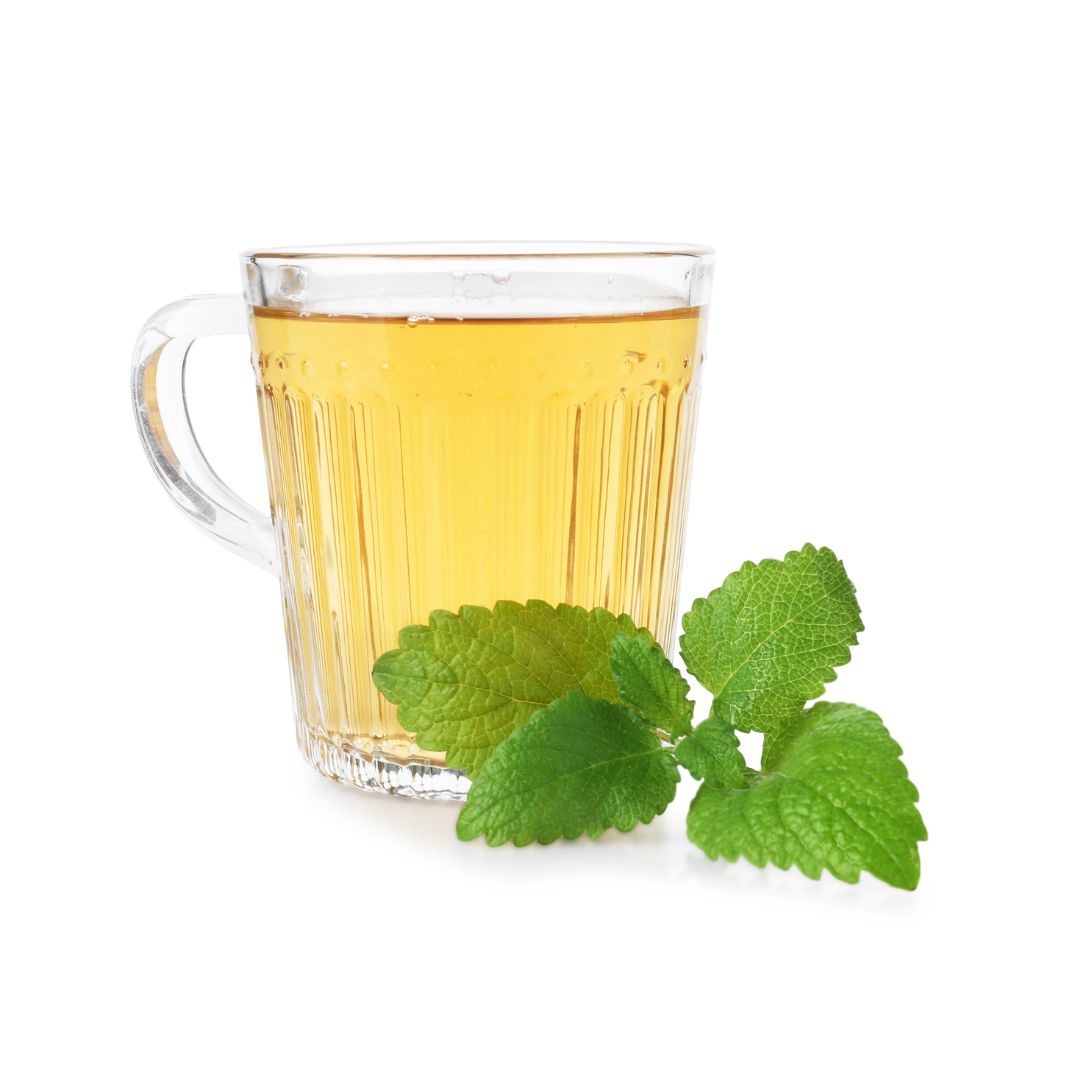
Pick several healthy leaves, rinse them gently, and steep them in hot water. Lemon balm can be enjoyed on its own or combined with other suitable herbs.
2. Add It to Infused Water
Add a few fresh leaves to drinking water with ingredients such as lemon or cucumber for a refreshing herbal drink.
3. Use It in the Kitchen
Young leaves can be added in small amounts to salads, fruit dishes, drinks, and recipes where their fresh lemony character works well.
4. Dry the Leaves
If your plant is producing more leaves than you can immediately use, dry some of your harvest. Properly dried lemon balm can be stored for later use in teas and other herbal projects.
5. Try a DIY Herbal Project
Lemon balm can also become the starting point for simple projects such as herbal infused oil and other handmade preparations.
This is where growing your own herbs becomes even more rewarding—you are not simply growing a plant. You are learning how to turn something from your garden into something useful.
Fresh or Dried Lemon Balm?
Both fresh and dried lemon balm have a place in the home.
Fresh lemon balm has a wonderful aroma and is ideal when you can harvest it directly from the plant. Dried lemon balm is convenient when you want to preserve a larger harvest and keep some available when fresh leaves are not on hand.
Harvest healthy leaves, handle them gently, and dry them thoroughly before storing. Keep dried herbs in a clean, airtight container away from heat, moisture, and direct sunlight.
A Good Herb for Container Gardens
You don't need a large garden to grow lemon balm.
A container can actually be a practical choice because lemon balm can spread when it is happy. Growing it in a pot gives you better control over the plant while keeping fresh leaves close to your kitchen, balcony, or growing area.
Give the plant good drainage, adequate light, and regular watering without keeping the soil constantly waterlogged.
From Growing to Making
At Amor Grow, we believe gardening can go beyond simply producing vegetables and herbs.
Grow → Harvest → Preserve → Create → Share
A small lemon balm plant can become fresh tea today, dried herbs for another day, an ingredient for a DIY project, or the beginning of learning more about useful plants.
When we understand how to use what we grow, even a small home garden becomes more valuable.
Start With One Herb
If you're new to growing and using herbs, you don't need to grow many varieties at once.
Start with one. Learn how it grows. Smell the leaves. Harvest them. Learn how to dry them. Make your first cup of tea. Try a simple DIY project.
Lemon balm is a wonderful herb with which to begin that journey.
Grow something useful. Learn from it. And discover how much you can create from your own garden.
Educational note: Information in this article is for general gardening and educational purposes and is not intended to diagnose, treat, cure, or prevent any disease.