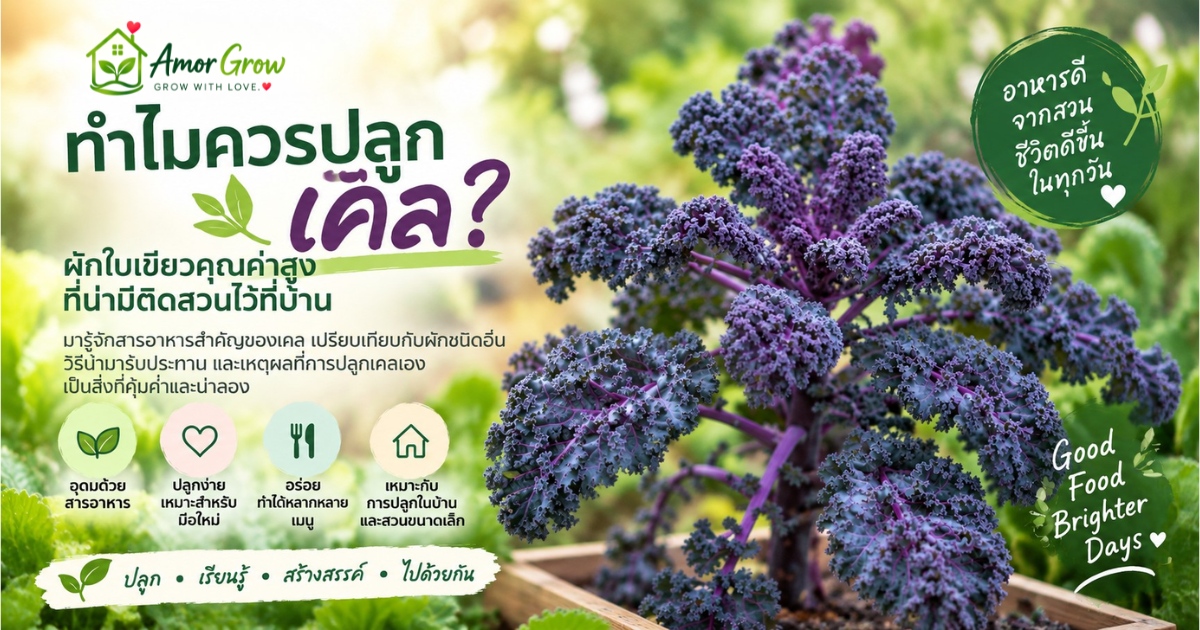
Why Grow Kale? A Nutrient-Rich Leafy Green for Your Home Garden
Kale is more than a trendy leafy green. Discover its key nutrients, how it compares with other vegetables, simple ways to enjoy it, and why growing your own is worth trying.
In This Article
When people think about healthy leafy greens, spinach or lettuce may come to mind first. But there is another vegetable worth making room for in both your garden and your meals: kale.
Kale is a leafy vegetable in the same plant family as cabbage, broccoli, cauliflower, and Brussels sprouts. Its sturdy leaves come in different colors and textures—from deep green and blue-green to beautiful shades of red and purple.
But kale isn't grown just for its appearance. It provides a variety of important nutrients, including vitamins K and C, carotenoids such as lutein and zeaxanthin, vitamin B6, folate, fiber, and manganese.
And when you grow kale yourself, you get something extra: the satisfaction of harvesting fresh leaves directly from your own garden.
What Makes Kale So Nutritious?
One of kale's strengths is that it provides several nutrients in one leafy vegetable.
Vitamin K
Kale is an excellent food source of vitamin K. Vitamin K is involved in normal blood clotting and in making proteins needed for healthy bone tissue.
Vitamin C
Kale is also a source of vitamin C. Vitamin C is involved in immune function and collagen production and acts as an antioxidant in the body.
Carotenoids
Kale contains carotenoids including beta-carotene, lutein, and zeaxanthin. These naturally occurring plant compounds are among the reasons dark leafy vegetables are valuable additions to a varied diet.
Fiber and Other Nutrients
Kale also contributes fiber along with nutrients such as folate, vitamin B6, and manganese. Rather than thinking of kale as a miracle “superfood,” it is better to see it as one nutritious vegetable that can be part of a varied and balanced diet.
Kale or Other Leafy Greens?
You don't have to choose only one.
Different leafy vegetables offer different combinations of nutrients. Spinach, lettuce, Swiss chard, arugula, and kale can all have a place in a varied diet.
For example, kale stands out as a particularly good source of vitamins C and K, while other greens may provide more of certain other nutrients.
Instead of replacing every leafy vegetable with kale, try adding kale to the vegetables you already enjoy. Eating a variety of vegetables gives you a broader range of nutrients and flavors.
Different Kale Varieties Are Worth Exploring
Kale isn't just one type of vegetable. Different varieties can look and taste surprisingly different.
Curly kale has tightly curled leaves and a sturdy texture.
Lacinato or Dinosaur kale has long, dark, textured leaves and is popular for both cooking and fresh preparations.
Red Russian kale is known for its attractive green leaves with reddish-purple stems and veins.
Scarlet and other purple-red kales can bring striking color to an edible garden while still providing harvestable leaves.
Growing several varieties can make your garden more interesting and lets you discover which texture and flavor you prefer.
Simple Ways to Eat More Kale
You don't need complicated recipes to enjoy your harvest.
- Fresh salads: Use young, tender leaves and massage tougher leaves gently with dressing before serving.
- Stir-fries: Chop the leaves and cook them quickly with garlic and your favorite vegetables.
- Soups: Add chopped kale toward the end of cooking.
- Smoothies: Add a small amount of fresh kale to fruit-based smoothies.
- Kale chips: Lightly season the leaves and bake or air-fry until crisp.
- Egg dishes: Add chopped kale to omelets, scrambled eggs, or frittatas.
Even the stems are edible. Tender stems can be chopped into smaller pieces and cooked in stir-fries, soups, or other dishes rather than being thrown away.
Why Grow Kale Instead of Only Buying It?
Growing kale at home changes the experience.
Instead of buying an entire bunch and trying to use it before it spoils, you can harvest a few outer leaves when you need them while allowing the plant to continue growing.
This makes kale particularly useful in a home garden.
You can also grow different varieties that may not always be available at your local market, from classic green kale to red and purple varieties that add color to the garden.
Harvest What You Need
One of the advantages of leafy vegetables such as kale is the possibility of repeated harvesting.
Once the plant is established and producing enough leaves, harvest the larger outer leaves first while leaving the central growing point and younger leaves intact.
Rather than harvesting everything at once, you can return to the plant again and again as new leaves develop.
Imagine walking outside before preparing dinner, choosing a few fresh kale leaves, and bringing them directly into your kitchen. That's one of the simple rewards of growing food at home.
From Garden to Plate
At Amor Grow, we believe growing food becomes even more meaningful when we understand what we are growing and how we can use it.
Grow → Harvest → Prepare → Enjoy → Grow Again
Kale is a good example. One small seed can eventually become a plant that provides fresh leaves for salads, soups, stir-fries, smoothies, and many other meals.
You don't need a huge vegetable garden to begin. A suitable container, some seeds, and the willingness to learn can be enough to start.
Perhaps Kale Deserves a Place in Your Garden
If you already eat leafy greens, consider adding kale to the rotation rather than thinking of it as a replacement for everything else.
And if you've only ever bought kale from the supermarket, try growing it yourself.
You may discover that the most satisfying part isn't simply knowing that kale is nutritious—it's being able to harvest those fresh green, red, or purple leaves from a plant you've grown yourself.
Grow your food. Know what you're eating. And enjoy the journey from seed to plate.
Educational note: This article provides general gardening and nutrition information and is not intended as medical or dietary advice. People taking anticoagulant or blood-thinning medication should discuss major changes in their intake of vitamin K-rich foods with an appropriate healthcare professional.